Introduction
In the ever-evolving landscape of medical care, specialized training has actually ended up being vital for registered nurses to give ideal person care. One location that has actually amassed considerable interest is PEG (Percutaneous Endoscopic Gastrostomy) feeding. As more people require enteral nutrition as a result of various clinical conditions, it becomes imperative for registered nurses to be equipped with the appropriate abilities and understanding. This write-up dives deep right into why every nurse must think about specific PEG feeding training, exploring its advantages, methods, and the importance of continual education and learning in nursing.
What is PEG Feeding?
PEG feeding refers to a method of providing nutrition straight into the tummy through a PEG tube. This procedure is commonly made use of for patients that can not take in food by mouth as a result of conditions like neurological disorders, head and neck cancers, or severe dysphagia. Nurses play a pivotal function in taking care of PEG-fed individuals, making specialized training essential.

Why Every Registered nurse Must Consider Specialized PEG Feeding Training
Specialized training in PEG feeding furnishes registered nurses with vital strategies and expertise required for providing high-quality individual treatment. This training course supplies understanding right into enteral feeding procedures, nutritional demands evaluation, and person monitoring strategies.
The Importance of Enteral Nutrition Support
Enteral nourishment support is crucial for clients calling for lasting nutritional aid due to failure to eat by mouth. In healthcare facilities and homecare setups alike, recognizing exactly how to implement PEG feeding can considerably enhance person outcomes.
Understanding Enteral Feeding
Enteral feeding includes delivering nutrients straight into the gastrointestinal tract. It is normally liked over parenteral nutrition due to the fact that it keeps digestive tract honesty and advertises better absorption of nutrients.
Nurses' Duty in Enteral Feeding Management
Nurses are typically at the center when it involves managing people on enteral feeds. Their duties consist of:
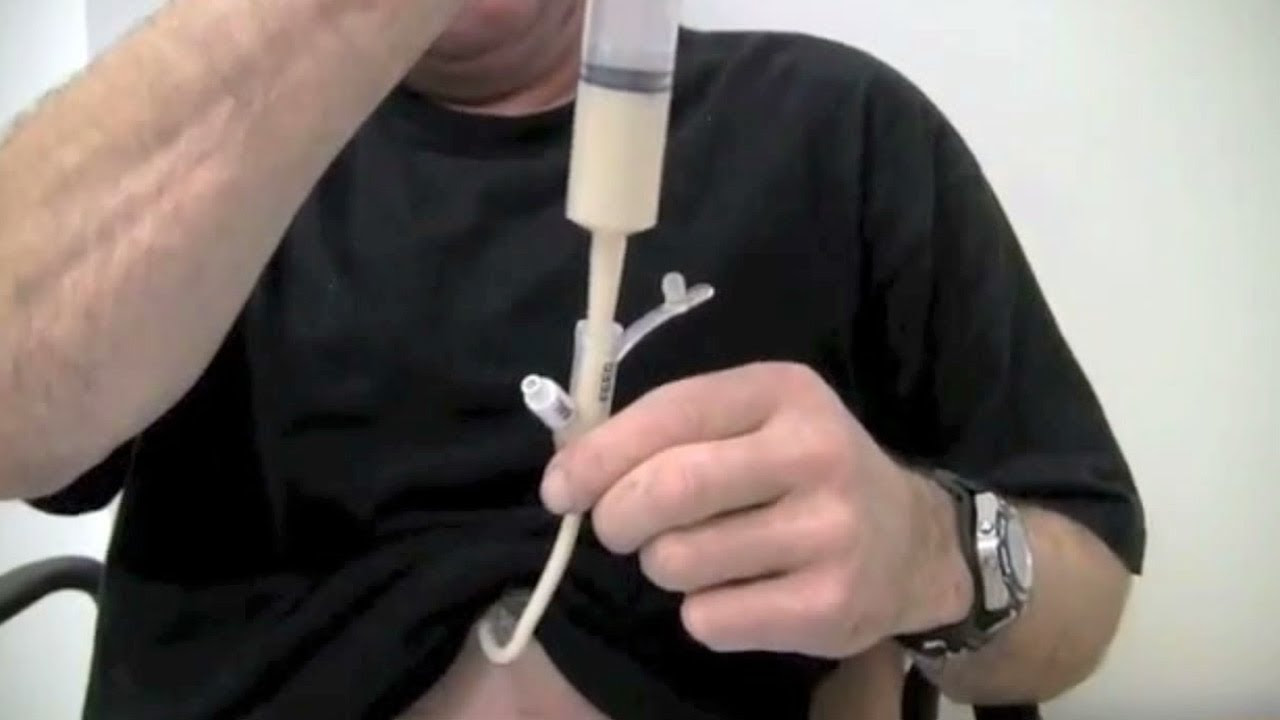
- Assessing dietary needs Administering feed by means of PEG tube Monitoring for complications Educating families concerning care procedures
Benefits of Specialized PEG Feeding Training
Investing time in specialized training supplies countless benefits:
Improved Person Outcomes
With appropriate training, registered nurses can ensure that patients receive ideal nutrition tailored to their medical demands. This causes boosted healing times and total health.
Enhanced Confidence and Competence
Specialized programs such as enteral feeding support programs strengthen registered nurses' confidence in managing complex instances including PEG tubes.
Keeping Existing with Ideal Practices
Healthcare guidelines progress continuously; therefore, continuous education makes certain that nurses stay informed about the current evidence-based methods bordering enteral nourishment support.
Career Advancement Opportunities
Those who seek specialized training can open doors to innovative functions within their field. For instance, becoming a clinical nurse professional in enteral nourishment can be a practical career path.
What Does Specialized PEG Feeding Training Involve?
Understanding what these specialized training courses entail can assist nurses make notified choices concerning their specialist development.
Curriculum Introduction: Enteral Feeding Training Courses
Courses typically cover:
- Types of enteral feeding Indications for using PEG tubes Procedure for insertion and maintenance Nutritional assessments Identifying difficulties associated with enteral feeding
Hands-On Method: The Practical Element of Training
Most programs consist of hands-on method scenarios where nurses can apply theoretical knowledge under guidance-- this useful experience is indispensable when managing real-life situations.
Different Types of PEG Training Programs Available
There are different choices available for registered nurses thinking about acquiring their qualification:
Short Courses vs. Prolonged Programs
While short courses might provide an overview and fundamental skills essential for risk-free management of enteral feeds, prolonged programs might delve deeper into scientific guidelines and advanced nursing practices.
Online vs. In-Person Learning
With advancements in innovation, several institutions supply both on the internet modules and in-person workshops catering to various discovering preferences.
Recognizing Problems Related to PEG Feeding
Understanding difficulties associated with PEG feeding is crucial for efficient client management:
Common Difficulties: A Quick Guide
|Difficulty|Description|| --------------------------|---------------------------------------------------|| Infection|Regional or systemic infections from catheter site|| Tube Displacement|Unintentional dislodgment bring about inappropriate feed delivery|| Blockage|Obstructions caused by inappropriate medicine formulation or inadequate purging|| Intestinal Concerns|Nausea or bloating due to quick feed management|
Monitoring Techniques for Efficient Management
Regular tracking aids recognize these problems at an early stage. Nurses must consistently check insertion sites and analyze patient resistance towards feeds.
The Process of Administering Enteral Feeds through a PEG Tube
Administering feeds needs meticulous focus to detail:
Preparation Steps for Safe Administration
Gather all necessary equipment. Verify doctor's order pertaining to type and quantity of feed. Check placement of television by aspirating gastric contents.Administering Feed Safely
The actual process entails:
Positioning the client properly (generally upright). Administering feed slowly while observing patient reactions. Flushing the tube afterward with water as per protocol.Educating Sufferers & Households on Care Procedures
Part of a registered nurse's role entails family education and learning pertaining to care methods:
Key Subjects for Education Sessions
- Recognizing indicators of complications Proper strategies for cleaning up the insertion site Instructions on how to administer feeds at home
Creating Educational Materials
Providing written products can enhance verbal directions offered throughout discharge preparation sessions.
Utilizing Modern technology in Enteral Nutrition Support
Technology plays an increasingly critical function in improving nursing technique worrying enteral nutrition support:
Digital Tools Available for Nurses
Various applications assist with monitoring intake/output ratios or determining calorie requirements based upon weight modifications-- a device worth considering!
Telehealth Techniques for Consistent Patient Support
Telehealth systems make it possible for continuous communication between doctor and family members, making certain effective follow-up post-discharge from healthcare facility settings.
FAQ Section
Here are some regularly asked questions concerning specialized PEG feeding training:
1. What credentials do I need before signing up in a peg feeding course?
Most courses call for candidates to have fundamental nursing credentials-- such as a RN or LPN license-- and some might favor previous experience in important treatment settings.
2. How much time does it take to complete a fix training course?
Course duration differs extensively; short programs may last just a couple of peg feeding days while thorough programs might cover numerous weeks-- guarantee you pick one that fits your timetable best!
3. Is there recurring support after completing my fix training?
Many establishments supply sources post-training-- including accessibility to on the internet discussion forums where you can ask concerns or consult from seasoned experts within this specialty area!

4. Can I instruct others concerning peg feeding after completing my training?
Yes! Once certified, you'll likely have opportunities not just within your work environment but additionally community outreach initiatives focused on enlightening caretakers about secure practices surrounding enterally fed patients!
5. Are there any kind of qualifications particularly customized in the direction of NDIS peg feeding training?
Absolutely! Numerous organizations give accreditation particularly geared towards fulfilling National Special needs Insurance policy System (NDIS) requirements-- these programs focus greatly on practical abilities along with compliance-oriented content appropriate across Australia!
6. What resources are available if I want additional details before deciding?
Numerous online platforms exist featuring posts talking about both academic foundations along with practical insights relating especially towards finest practices around providing secure feeds effectively across varied populations!
Conclusion
In recap, specialized PEG feeding training is an invaluable possession every nurse ought to take into consideration pursuing as part of their specialist growth trip within healthcare systems today! Not just does it boost skill sets required when caring for susceptible populations calling for enterally delivered nutrition-- it also empowers people towards making educated decisions while cultivating confidence levels among experts browsing complex medical situations daily! With so many benefits linked very closely together-- what's holding you back? Beginning exploring your choices today!